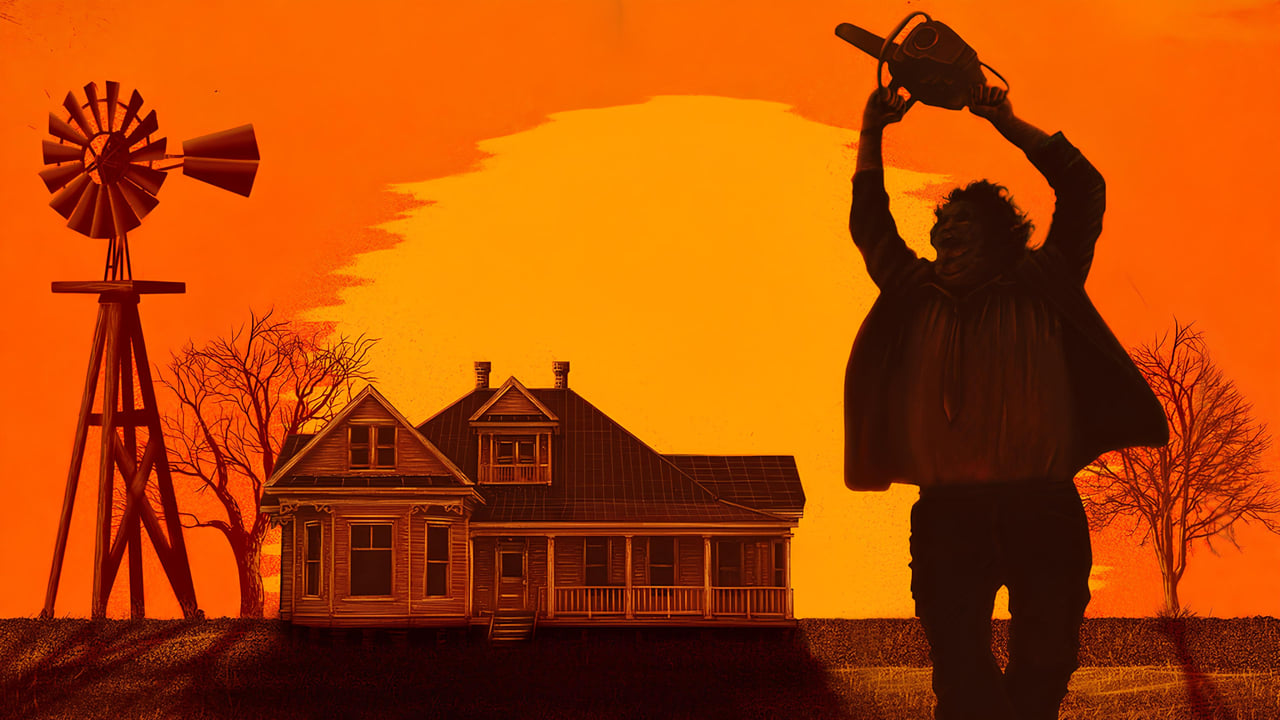
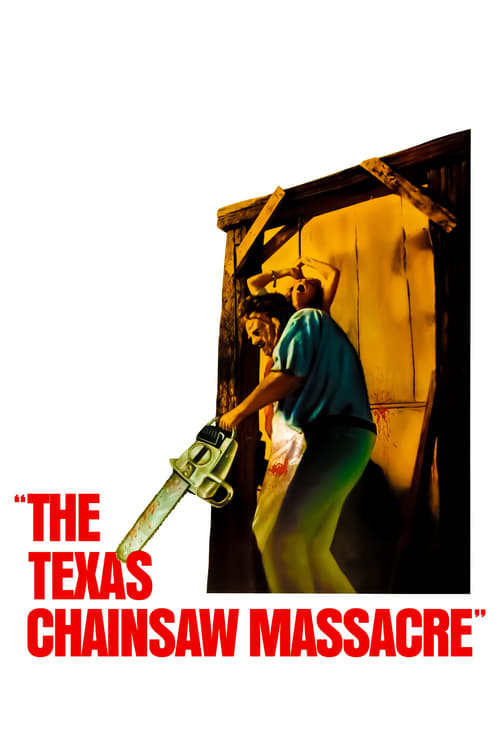
The Texas Chain Saw Massacre
Who will survive and what will be left of them?
Synopsis
Five friends head out to rural Texas to visit the grave of a grandfather. On the way, they stumble across what appears to be a deserted house, only to discover something sinister within. Something armed with a chainsaw.
Main Cast

Marilyn Burns
Sally

Allen Danziger
Jerry
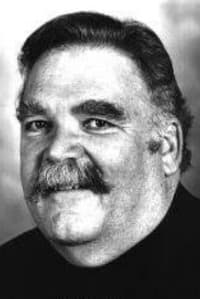
Paul A. Partain
Franklin
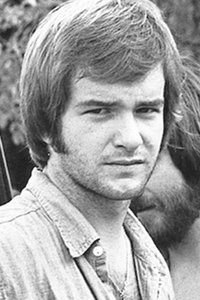
William Vail
Kirk

Teri McMinn
Pam

Edwin Neal
Hitchhiker
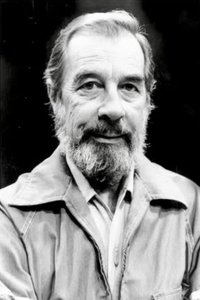
Jim Siedow
Old Man

Gunnar Hansen
Leatherface

John Dugan
Grandfather
Robert Courtin
Window Washer
User Reviews
Wuchak
***Disturbing iconic slasher about a demented family in rural Texas*** After a van of young people picks up a psycho hitchhiker in east Texas they stumble upon a farm house of crazies, including a burly mute man with a mask made of human-skin. Tobe Hooper’s "The Texas Chainsaw Massacre" (1974) is a seminal, iconic slasher that’s genuinely disturbing and horrific because it plays out in a gritty, realistic manner. While some viewers might find a couple of scenes amusing, like Franklin in his wheelchair accidently rolling down the hill and, later, having a hammy fit in the dilapidated building, it doesn’t change the fact that this is a serious, unsettling horror flick. By contrast, Rob Zombie’s homage (or rip-off), “House of 1000 Corpses” (2003), wasn’t disturbing or horrific at all because he opted for an over-the-top, cartoony approach. It was colorful and amusing, yes, but not unsettling or horrifying. Other positives include the rural locations, cool nighttime sequences, e.g. the thorn bush, and the effectively photographed women with no raunch: Teri McMinn (Pam) and Marilyn Burns (Sally). They’re girl-next-door types, but alluring enough. So this is a standout film as far as serious slasher horror goes and I can understand those who give it a high rating, but horror movies are about more than just scaring & troubling the viewer. For me, the last act is overly one-dimensional, focusing too much on the eye-rolling demonic dirtbag family and a girl fleeing & screaming. It’s thoroughly manic, indeed, but also vacuous and uninspiring. The film runs 1 hour, 23 minutes; there’s also an 88 minute unrated version. It was shot in east Texas as follows: Round Rock (house), Bastrop (gas station/BBQ shack), Leander (cemetery) and Watterson (slaughterhouse). The house has since been moved to Kingsland and refurbished as a restaurant. GRADE: B-/C+
CinemaSerf
It's maybe not fair to appraise a film 50 years after it was made too harshly, but I found this really quite over-rated and annoying. Five travellers pick up an hitch-hiker in their van but quickly discover that he has a penchant for knives and, well he isn't quite the full shilling. Anyway they manage to get shot of him and arrive at a garage that has no petrol near the grave of the grandfather of the wheelchair-bound "Franklin" (Paul A. Partain) and his sister "Sally" (Marilyn Burns) who are travelling with her boyfriend "Jerry" (Allan Danziger) and friends "Kirk" (William Vail) and his girlfriend "Pam" (Teri McMinn). It's the latter two who set of for a swim and never come back. Concerned, "Jerry" goes off in search before, yep - the other two head off into the desert in the dark to see what's what. Pretty early on, we know just what has happened to the first pair and so fully expect the expected... Except, it doesn't quite pan out quite how we might anticipate - else how we could we ever have known about this story? It's all about the last twenty minutes and even then I found it all rather flat and noisy. Way too much of the sense of peril here comes from endless screaming, running about in the bushes in the dark and the behaviour of visitors who just haven't a clue about basic self-preservation. Who would set off into unknown terrain in pitch dark pushing a bloke in a wheelchair after three of their friends had gone missing? Once we meet the perpetrators, again it all just comes across as something that wouldn't look out of place in a Carry On film made in the Hammer House of Horrors - there isn't an hint of menace at any point amongst the faux gore and crescendo hysterics. It's clearly been made on a tiny budget and the production standards reflect that - the continuity is a bit of a joke with wounds that are there then not or windows that self-repair... Nope, perhaps I just wasn't in the mood but I found this really quite disappointing and funny - but not really in a good way.
cineast78
**One of the best and most fascinating horror movies ever made.** Just as the title says it, it is wihout any doubt one of the best and most influential horror films ever made. Its production history is also quite fascinating. If you are into horror or slasher movies, you simply have to have seen and experienced it. Nuff said.
FolknHell
*The Texas Chain Saw Massacre* is often remembered as a film about a man with a chainsaw. Oddly, the chainsaw may be one of the least interesting things about it. What still makes Tobe Hooper’s film so horrible is the sense that its victims have accidentally wandered into somebody else’s perfectly functioning system. The first hammer killing is astonishingly abrupt. There is no theatrical wind-up, no villain enjoying his entrance. A young man walks down a corridor, Leatherface appears, and suddenly he is meat. The family used to work in slaughterhouses and, in practical terms, they have simply carried on with the family business. That is also where the film begins looking suspiciously like folk horror. The Texas landscape is not decorative. The heat, empty roads, scrub and choking vegetation progressively close around the outsiders. Even escape becomes circular: Sally fights through brambles, reaches what ought to be civilisation and discovers that the garage is simply another part of the same world. The family’s house then supplies the belief system. Bones are not discarded but arranged. Human remains become furniture, ornaments and strange feathered constructions whose precise purpose is never explained. They clearly mean something to the people living there, which is considerably worse. And then there is Leatherface himself. Gunnar Hansen somehow gives considerable pathos to a man wearing somebody else’s face. After the intruders start appearing, Leatherface sits with his head in his hands like a blood-spattered Rodin’s *Thinker*, apparently wondering why the working day has gone so badly wrong. He is monstrous, certainly, but also frightened, subordinate and trapped inside the family hierarchy. That makes him stranger than a straightforward killer. The dinner sequence finally turns slaughter into ceremony, with the barely living grandfather handed the hammer because he was once the family’s finest practitioner. Tradition has become ritual, and ritual has become grotesque entertainment. This is not an enjoyable film in any sensible meaning of the word. It is abrasive, nasty and exhausting. More than fifty years later, though, it remains alarmingly immediate. *The Texas Chain Saw Massacre* does not feel like a legend being retold. It feels like somebody found the place, pointed a camera at it and was extremely lucky to get the film back. --- Reviewed by FolknHell, the folk horror film podcast · folknhell com Hear the full FolknHell podcast discussion of The Texas Chain Saw Massacre: folknhell com/the-texas-chain-saw-massacre-review along with our other reviews, transcripts and episodes.